Iran Warns It Will Hit Gulf Oil and AI Sites If US and Israel Attack Again
A senior Iranian security official says oil facilities, undersea cables, datacentres and AI infrastructure in up to seven Gulf countries would be targeted if Washington and Jerusalem renew their assault.
By News Media House Staff ·
Iran has warned that it would strike oil facilities, undersea cables, datacentres and artificial intelligence facilities in as many as seven Gulf countries if the United States and Israel launch a fresh attack. The threat came from Mohsen Rezaei, secretary of Iran's supreme national security council.
Iranian media quoted Rezaei as saying that cables, datacentres and AI facilities could also be targeted in a new war, and that Tehran would follow a broader plan if fighting resumed. "There can be no arrangement in which Iran's economic lifelines come under attack while the economic architecture enabling those attacks is considered untouched and immune," he said.
Mehdi Mohammadi, an adviser to Mohammad Ghalibaf, the hardliner who led Iran's negotiations with the US to end the conflict, said Donald Trump and Benjamin Netanyahu had agreed in principle on an attack but could not guarantee its success. "We see the next conflict as an existential threat," he said, describing Iran's strategy as "zero red lines". He added that Iran would stretch the conflict across time and geography, so that it lasts longer and spreads wider than its enemies expect.
US media have reported that American military advisers have prepared a detailed target list for a joint US-Israeli assault to be carried out after the US midterm elections on 3 November. Trump has pulled back from striking Iran seven times in the past four months, but a deadlock in diplomacy has prompted US officials to brief on a possible campaign against missile sites, oil installations and nuclear sites. Trump reportedly intends to have three aircraft carriers, thousands of marines, fighter jets and special operations forces stationed in the Middle East by November.
Signs of military preparation have multiplied. The US and Israel have held extended joint training, including practice runs over Iraq, and Axios reported that dozens of Israeli planes flew close to the Iranian border earlier this week. A large fire at an aluminium factory in Arak, in central Iran, suggests sabotage may be under way inside the country. Netanyahu met US defence secretary Pete Hegseth in Israel on Monday to discuss the timing and purpose of an attack, including the possible political implications for his re-election chances. He reportedly said he would prefer Iran to strike first.
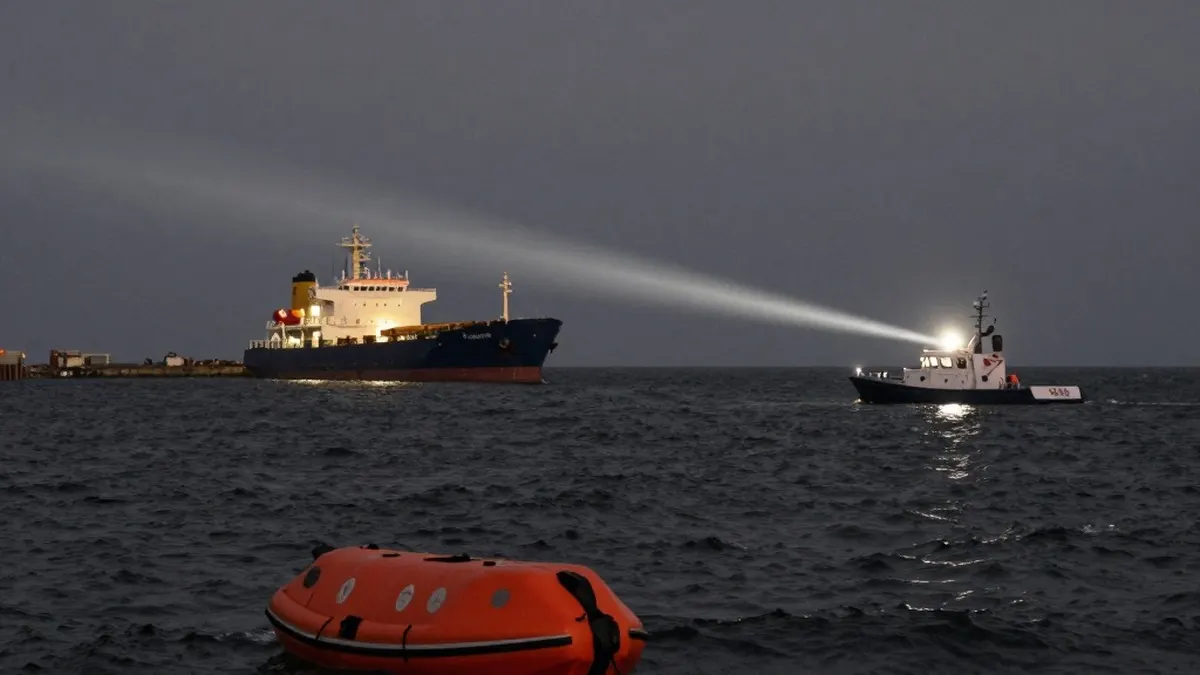
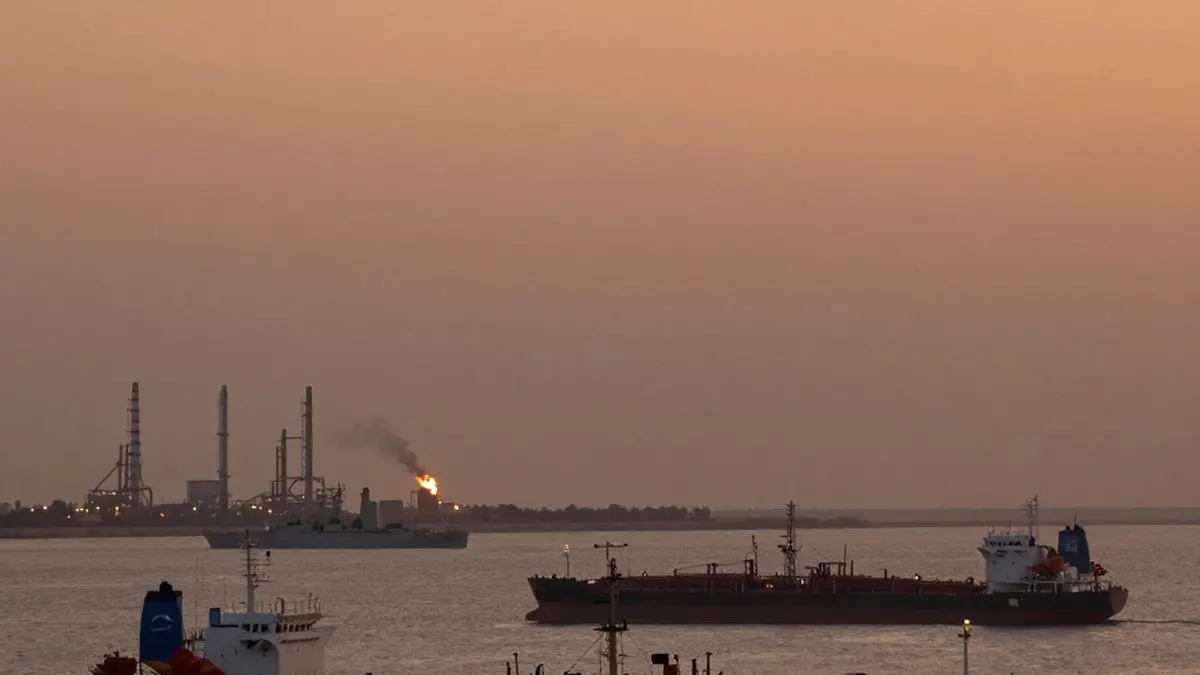
In the strait of Hormuz, the naval wing of Iran's Islamic Revolutionary Guards Corps claimed it struck four commercial ships on Wednesday that were said to be transferring oil from ship to ship. It said three more ships hit mines. There was no independent verification of those numbers, but Brent crude traded at $113.4 a barrel, a recent high, driven by reports of an imminent renewed attack.
Reza Nasri, an international lawyer close to the Iranian foreign ministry, warned that a third war would not stay contained. He said power grids, desalination plants, refineries and ports would burn, tens of millions would lose water and electricity, and refugees would head toward Europe. He also predicted that Hormuz would close completely and the global economy would tip into recession. Fars news agency said Iranian units had been instructed that if officials were assassinated and civilians killed, the response would include political targets as well as military ones.
Diplomacy continues in parallel. Foreign ministers from three European countries, Turkey, Saudi Arabia, Pakistan and Egypt are due to meet in Istanbul on Friday to coordinate policy on the linked Iranian, Yemeni and Palestinian crises, amid alarm that Tehran and Washington now treat a new war as the working assumption.
Mediators from Iran and Pakistan this week revisited options for a ceasefire. They include Iran receiving billions in frozen assets in return for lifting its blockade of the strait, allowing UN weapons inspectors to view its bombed nuclear sites, and exporting its highly enriched uranium stockpile to a third country. Iran has offered to end the Hormuz blockade within seven days and begin nuclear talks, but only if preconditions such as the lifting of US sanctions are met first.
Originally published by News Media House · Source: The Guardian