State Letter Says Robstown-Area Water District Topped Arsenic and Dissolved-Solids Limits
A Texas Commission on Environmental Quality letter dated Oct. 21 confirms that the water district serving Robstown exceeded state limits for arsenic and total dissolved solids, though the district says the test results are seven months old.
By Chinedu Okafor ·
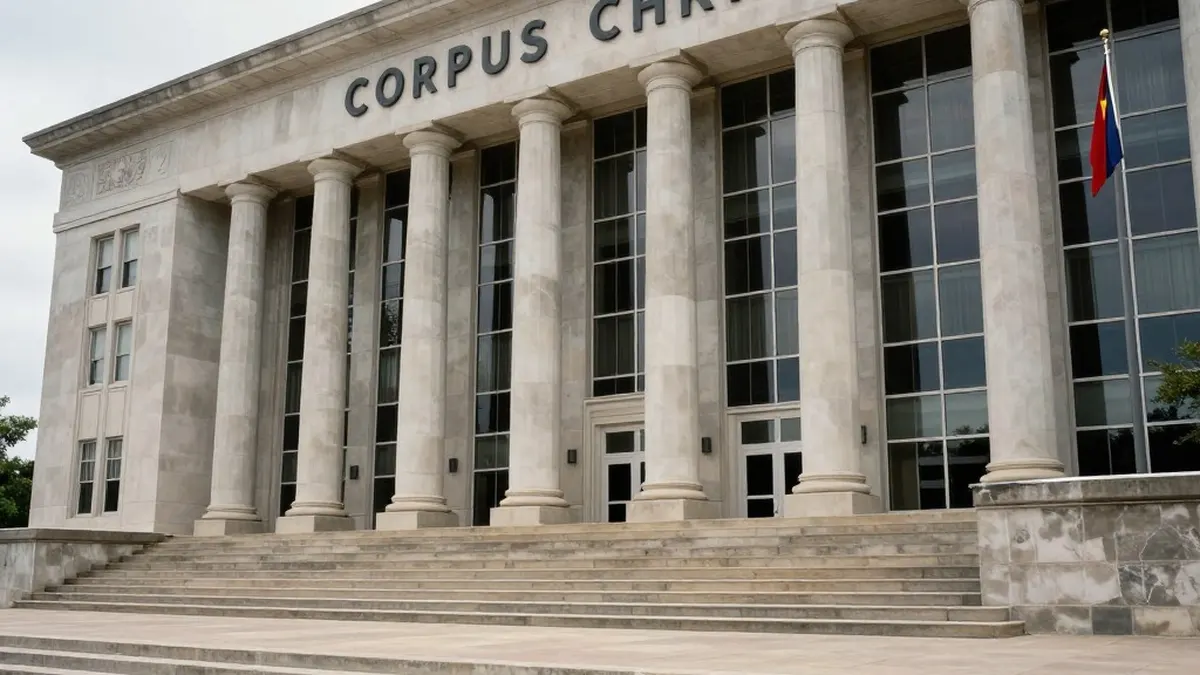
The water district that serves Robstown and some rural residents of Nueces County went over state limits for arsenic and total dissolved solids, according to a Texas Commission on Environmental Quality (TCEQ) letter dated Oct. 21.
Ramiro Alejandro, board president of Nueces County Water Control and Improvement District No. 3, shared the letter on Facebook this week. He pointed out that the test results it describes are seven months old.
TCEQ investigated the district's water system on March 10 after receiving a complaint. The agency reported finding no violations during that investigation, but it flagged two issues. One was total dissolved solids (TDS), a measure of salt and minerals in water. Samples collected that day ranged from 1,370 to 1,680 milligrams per liter, above the state's secondary standard of 1,000 mg/L. TCEQ said the district's new connection to Corpus Christi's water system could help improve water quality.
The second issue was arsenic. TCEQ said the district was over the limit of 10 parts per billion and that the matter is being handled in a state enforcement case.
Arsenic compliance is not decided by a single test. TCEQ relies on a running annual average: at the end of each quarter, the state averages the system's results from the previous year, and a system is over the limit if that average exceeds 10 parts per billion. The state samples cited in the letter, collected in August, December and January, measured 11, 13 and 12 parts per billion, all above the limit. Because the average spans a full year, a single lower result does not resolve the problem right away; results must stay low long enough to bring the yearly average back under the limit.
In his post, Alejandro wrote that the high TDS comes from groundwater wells that Corpus Christi uses, which discharge into the Nueces River. He said the district believes low lake levels may be behind the arsenic, "but we do not know for a fact." He wrote that the Corpus Christi connection has been in use since May, and that when the city's wells are running and river TDS is high, the district receives up to 3 million gallons a day from Corpus Christi at no cost. He described the district's treated water as "100% safe to consume."
KRIS 6 News first reported the district's arsenic violation in February, when testing from October through December had found arsenic at 13.1 parts per billion. Customers of River Acres Water Supply, which gets its water from the district, were also notified.
In January, the Corpus Christi City Council approved a deal to send the district up to 3 million gallons of treated water a day and pay about $1.7 million for the connection. In exchange, the city can lease up to 5 million gallons a day of the district's water. A Robstown resident objected to that trade.
Officials fast-tracked the line in March. Corpus Christi City Manager Peter Zanoni said the city's wells were not driving the arsenic problem but acknowledged they were contributing to the high TDS. District leaders later told the Robstown City Council that Corpus Christi is covering the cost of the connection.
Originally published by News Media House · Source: KRIS 6 News